Create your new hair colour right now
Upload your photo and get 4 looks on you, not on a model.
Upload tips
- · Daylight — indoor bulbs distort colour badly
- · Hair loose and fully in frame, roots to ends
- · No hat, no filters on the photo
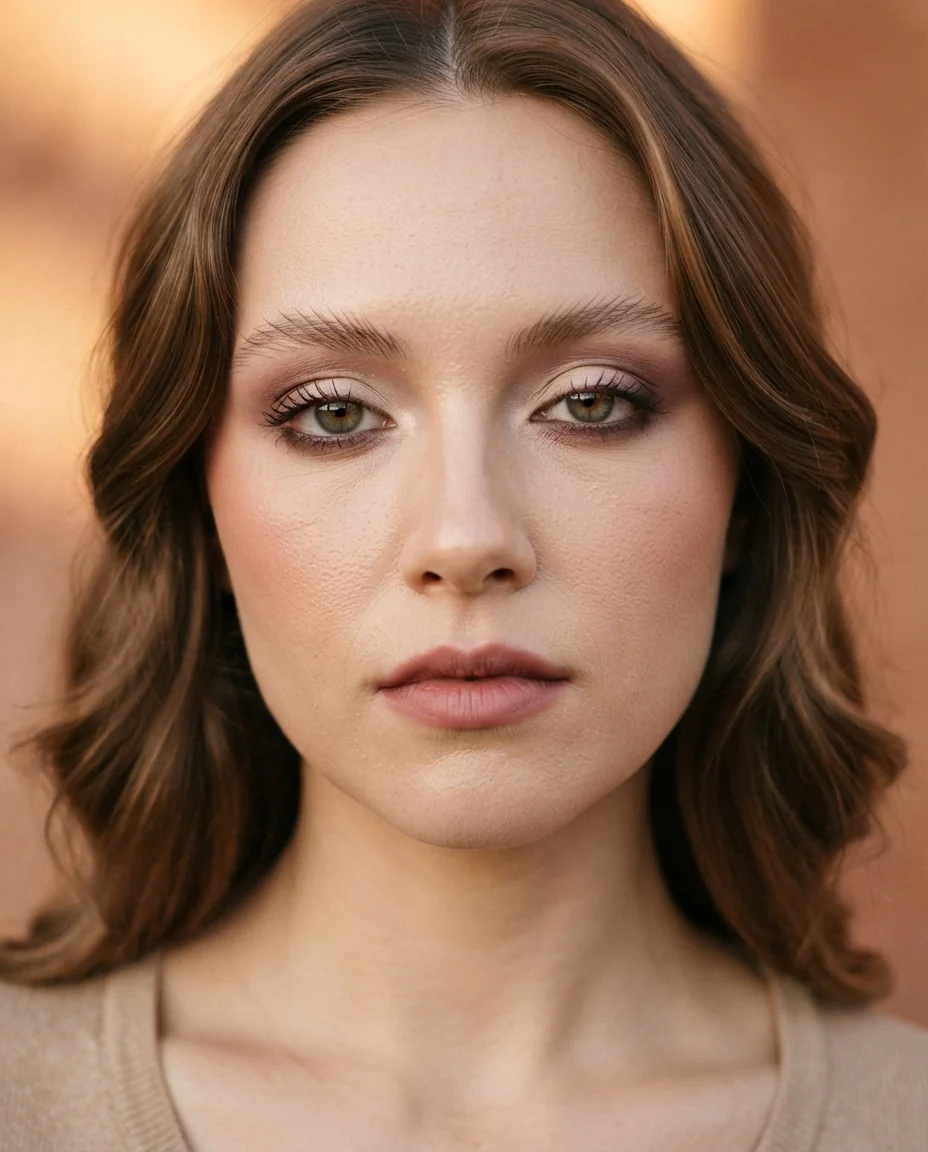
Colour only, cut untouched
This page exists separately from hairstyles for one reason: most people considering colour are not considering a cut. Keeping the length and shape fixed makes the comparison readable — 4 versions of the same head, differing only in colour, is a question you can actually answer.
What you can try
Shades
Platinum, ash blonde, honey, caramel, copper, auburn, chestnut, chocolate, espresso, black, silver, rose and pink. Warm and cool versions of what looks like the same colour behave completely differently against skin — that difference is most of the decision.
Techniques
Single process, balayage, ombré, highlights, babylights, money piece, root melt and peekaboo. The technique decides how the colour is distributed, and therefore how it grows out and how often you will be back.
Balayage against highlights
Both lighten, but balayage is painted freehand for a soft, grown-out edge, while highlights are sectioned and read more even and more deliberate.
Money piece
The brightest, cheapest way to change how a face reads: two lightened front sections and nothing else touched.
What a preview cannot tell you
It cannot tell you whether your hair will reach that colour. Going several levels lighter, or covering a previous dark dye, depends on your hair's history and condition, and may take more than one appointment or may not be advisable at all. Use this to decide what you want; use a colourist to find out what it takes.
The cost is not the appointment, it is the upkeep
Every colour decision is also a decision about how often you will be back and what your hair will look like in between. Single process on a shade close to your own can go months and grow out invisibly. Platinum on dark hair needs the roots addressing every few weeks and does not forgive being left. Balayage sits between the two by design — it is painted to look intentional as it grows, which is most of why it became the default request.
Warm or cool, before anything else
Honey, caramel and copper are warm; ash blonde, silver and espresso are cool. Getting this wrong is the most common reason a colour that looked right in a photograph looks wrong on a face, and it has nothing to do with how light or dark the shade is. Try one warm and one cool version of roughly the same brightness on your own photo and the answer is usually immediate.